The Foxes You Never See
Fox predation is one of the most underestimated costs on a livestock property, because the evidence usually vanishes by morning. A fox takes a newborn lamb overnight and leaves almost nothing behind. Producers blame a disappointing marking percentage on the season or ewe condition, when a real share of the gap is foxes working the lambing paddock in the dark.
The European red fox is Australia’s most widespread introduced predator, present across roughly three-quarters of the continent with a national population estimated at around 1.7 million. Foxes cost Australian agriculture an estimated $198 million a year, according to figures from the 2019 ABARES landholder survey, most of it lamb predation. On temperate grazing country, densities commonly run at 4 to 8 foxes per square kilometre, which is a lot of predators quietly sharing your paddocks.
The good news is that fox predation is one of the most controllable losses on a property, if you use the right methods, in the right order, at the right time.
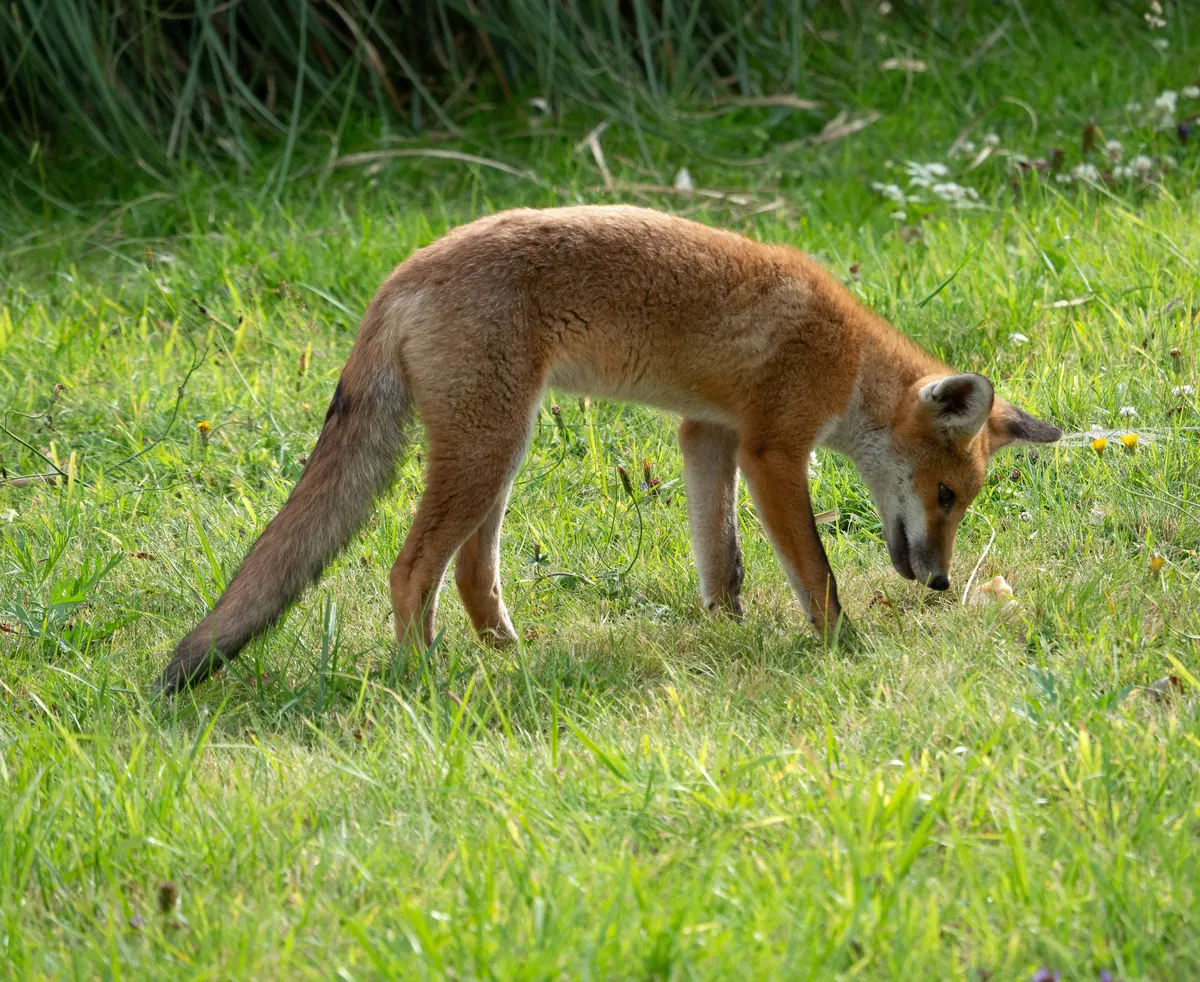
Why Fox Control Matters
Lamb and kid predation
For sheep and goat producers this is the big one. PestSmart and the national fox research put average fox predation on lambs at around 7 percent, rising to 10 to 30 percent of lambs in badly affected areas, with the worst losses in paddocks near timber, creek lines, and rocky outcrops where foxes harbour. On 1,000 ewes marking 1,200 lambs, even a modest predation rate is dozens of lambs walking off the property every year.
Poultry and small stock
Free-range poultry, hobby flocks, and small stock like goats and farmed rabbits are highly vulnerable. A single fox can kill many birds in one raid, well beyond what it eats, which is why a fox that finds a poultry run comes back.
Native wildlife
Foxes are a primary driver of native mammal decline across Australia. They prey on ground-nesting birds, small marsupials, reptiles, and amphibians. Controlling foxes on farmland protects native species on your country too, and matters most next to national parks and reserves.
Disease
Foxes carry hydatid tapeworm, mange, and other parasites that can affect livestock and working dogs. They are also a potential vector in an exotic disease incursion, which is part of why every landholder shares a general duty to keep their numbers down. See our guide to your biosecurity duty for what the law expects.
The Methods at a Glance
No single method solves a fox problem. Here is how the main tools compare and where each fits.
| Method | Best for | Strengths | Limits |
|---|---|---|---|
| 1080 baiting | Broadscale population reduction | Cheapest landscape tool; endorsed as the backbone | Lethal to dogs, no reliable antidote; needs accreditation |
| PAPP baiting (FOXECUTE) | Baiting where dog safety is critical | More humane; reversible antidote for dogs | Still toxic to some natives; needs accreditation |
| Canid pest ejectors | Low-maintenance coverage on large runs | Target-specific; checked monthly; cannot be carried off | Setup and training required; one fox per device |
| Thermal and spotlight shooting | Bait-shy foxes; targeted control near stock | Precise; responsive; no poison risk | Labour-intensive; limited area per night |
| Den fumigation | Cub-rearing season | Removes vixen and whole litter at once | Seasonal; must find active dens |
| Exclusion fencing and guardian animals | Protecting high-value mobs | Reduces losses in the protected paddock | Protects only that mob; not a population control |
Baiting: The Backbone of Fox Control
Baiting is the foundation of landscape-scale fox control, because it is the only method that reduces fox numbers across a whole area at a cost that makes sense. NSW registers two toxins for foxes.
1080 baiting
1080 (sodium fluoroacetate), delivered in FOXOFF baits containing 3 mg each, is the long-established, cost-effective tool endorsed by PestSmart, NSW DPI, and Local Land Services. Foxes are very sensitive to it, and many native animals in southern Australia have some natural tolerance, which makes 1080 relatively selective against introduced predators. Best practice in most of NSW is to bury baits 8 to 10 centimetres deep along tracks and fence lines, because foxes will dig for a buried bait but most non-target animals will not. PestSmart recommends baiting at least twice a year, in late winter to disrupt breeding and again in autumn to catch dispersing juveniles.
PAPP baiting (FOXECUTE)
PAPP (para-aminopropiophenone), in FOXECUTE baits containing 400 mg each, is a newer toxin assessed as more humane than 1080 because foxes lose consciousness faster. Its standout feature is a reversible antidote, methylene blue, that a vet can use to save a working dog that has taken a bait, provided it is treated quickly. There is no comparable antidote for 1080 in dogs. That makes PAPP attractive where dog safety is the higher priority, though it remains toxic to some native carnivores and birds, so placement still matters.
Whichever toxin you use, 1080 and PAPP are both lethal to dogs. Plan your dog management around every baiting programme and read our guide on protecting working dogs during 1080 baiting first. For how the baits work and the accreditation involved, see understanding 1080 and PAPP baits.
Canid pest ejectors
Canid pest ejectors are spring-loaded devices driven into the ground with only a bait head exposed. When a fox bites and pulls upward, the device delivers a measured dose of 1080 or PAPP straight into its mouth. They are highly target-specific, because the upward pull needed to fire them is natural for foxes and wild dogs but unlikely for most other animals, and they cannot be carried off and cached the way a loose bait can. Ejectors need checking only about once a month and can be armed and disarmed to protect working dogs, which makes them a practical low-maintenance option across large runs. Both toxins are supplied through a Local Land Services authorised officer, and ejector use needs a short training course on top of VPIT.
Ground Shooting: Thermal and Spotlight
Shooting complements baiting rather than replacing it. It is the tool for foxes that have gone bait-shy, for country where baiting is not practical, and for responsive, targeted control right around the lambing paddocks. Foxes are nocturnal, so ground shooting with thermal imaging and night vision is decisive: thermal finds foxes in timber and creek lines that a spotlight and the naked eye miss entirely. Shooting is labour-intensive and covers limited ground per night, so on its own it rarely removes enough foxes to protect a lamb drop. Timed alongside baiting and used close to lambing, it earns its place.
Den Fumigation
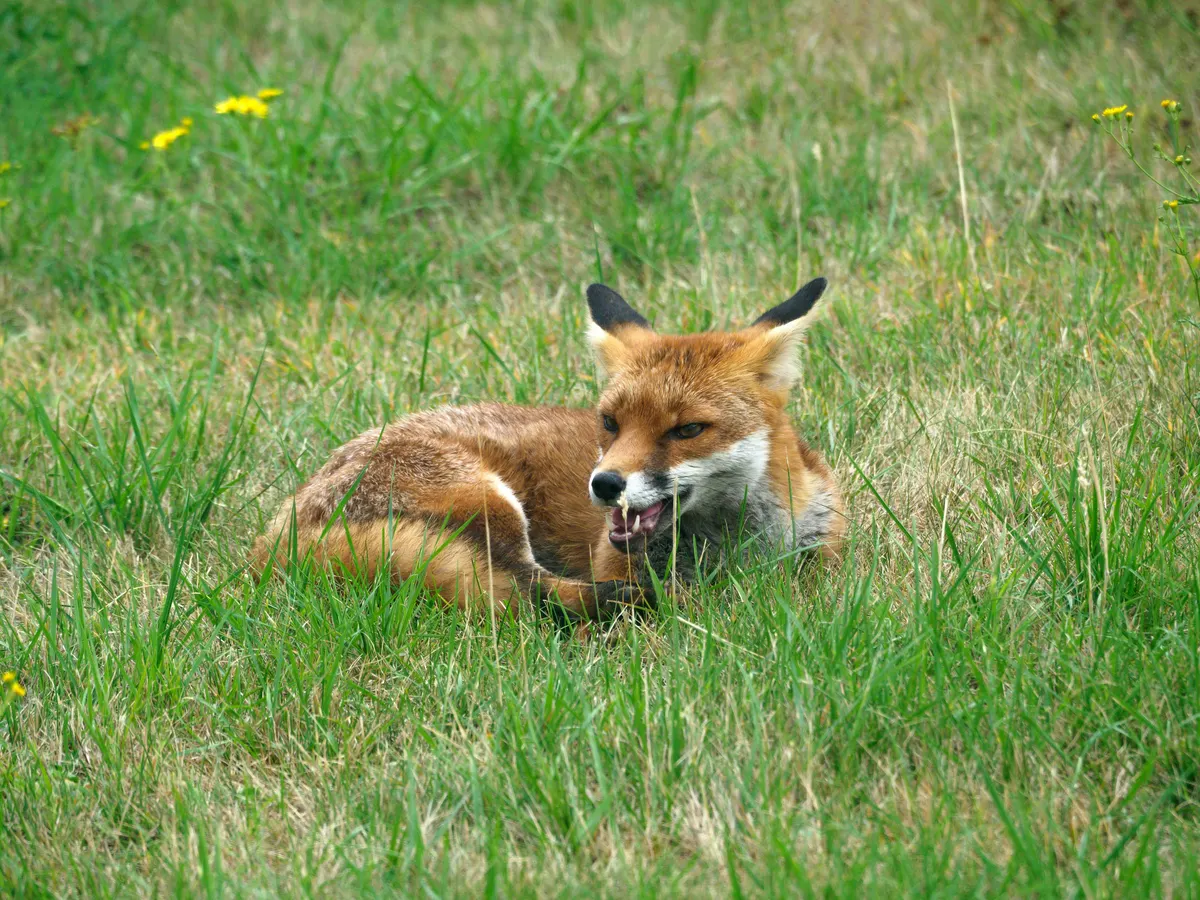
During the cub-rearing season, late winter through spring, a vixen and her whole litter can be removed in a single action by fumigating an active natal den. Carbon monoxide, produced by registered cartridges, is the only fumigant registered for fox dens in NSW. It is colourless, odourless, and causes rapid unconsciousness without pain. Active dens are identified by fresh digging, small cub prints, carcasses and bones at the entrance, a strong odour, and flattened play areas. Cubs should be older than about four weeks. Den fumigation is a strong supplement to baiting precisely because it targets the next generation of foxes before they disperse.
Exclusion Fencing and Guardian Animals
Fencing and guardian animals do not control the fox population, but they protect the stock that matters most. Fox-proof exclusion fencing around a lambing paddock or a poultry run is the most cost-effective barrier for a small, high-value area. Guardian animals, mainly Maremma dogs and alpacas, deter foxes from the mob they live with. In ANU-led research, about 66 percent of farmers using guardian dogs reported predation stopped altogether and a further 30 percent reported reduced losses. The limit is that a guardian only protects its own mob in its own paddock, so treat these as one layer alongside baiting and shooting, not a substitute for reducing fox numbers.
Timing It to the Fox Year
Fox control works best when it is timed to the animal’s life cycle.
- Late winter (breeding and dens). Foxes mate from mid-June to late July, and cubs are born in dens through August and September. Baiting now hits breeding adults, and active dens can be fumigated.
- Spring (cub-rearing). Fox families are concentrated around dens, which is the window for den work. For most NSW flocks this overlaps lambing, so this is when losses show up.
- Autumn (dispersal). Juvenile foxes leave their natal dens and look for empty territory. They have never seen a bait, so they take them readily, which is why coordinated autumn baiting is so effective and why Local Land Services build programmes around it.
For sheep producers, the priority is the weeks before lambing. Getting fox numbers down before the lambs are on the ground protects far more of them than reacting once losses start. Our companion guide, fox control before lambing, sets out how to line the programme up with your lambing date, and the annual pest control calendar shows where foxes sit in the whole-property year.
Coordinate, and Watch the Rabbits
Two things multiply the results of any fox programme.
The first is coordination. Foxes range widely and reinvade fast, so baiting your place while your neighbours do nothing means foxes move back within weeks. Baiting as a coordinated group across adjoining properties treats the whole problem area at once and holds numbers down. Many Local Land Services regions run coordinated autumn fox and wild dog baiting programmes and subsidise the baits. Joining one is usually the cheapest and most effective way to bait. See our guide to autumn wild dog and fox baiting for how those programmes run.
The second is the rabbit link. Rabbits are a primary food source for foxes, so where rabbit numbers are high, foxes are well fed and numerous. Controlling foxes without also controlling rabbits lets rabbits rebound, which then feeds a faster fox recovery. Baiting foxes straight after a rabbit crash, from disease or drought, is especially effective because the foxes are hungrier and more likely to take a bait. If rabbits are part of your picture, read how to control rabbits on your property and plan the two together.
How We Help
We do not sell you a single method. We assess your property, find where foxes are denning, harbouring, and hunting, and design a fox control programme that fits your country and your calendar: coordinated baiting as the backbone, thermal shooting close to lambing, den work in season, and monitoring so you can see the difference in your marking percentage. Where it makes sense we coordinate with your neighbours and your Local Land Services programme to treat the whole area at once. See our fox control and baiting programmes pages, or get in touch well before your lambing window so there is time to act. If you are in the Hunter, our Merriwa and Upper Hunter and Lower Hunter fox pages go local.
Sources consulted: ABARES cost of established pest animals (2019 survey basis); National Feral Cat and Fox Management Coordination; PestSmart European red fox toolkit and National Standard Operating Procedures (NATSOP-FOX001 ground baiting, FOX004 den fumigation, FOX007 PAPP); NSW DPIRD FOXCOP standard operating procedures and canid pest ejector SOP7; van Bommel and Johnson (2023), Wildlife Research, and ANU guardian dog research; Agriculture Victoria integrated fox control; Greentree et al. (2000), Journal of Applied Ecology.