Foxes in the Lower Hunter: A Peri-Urban Problem
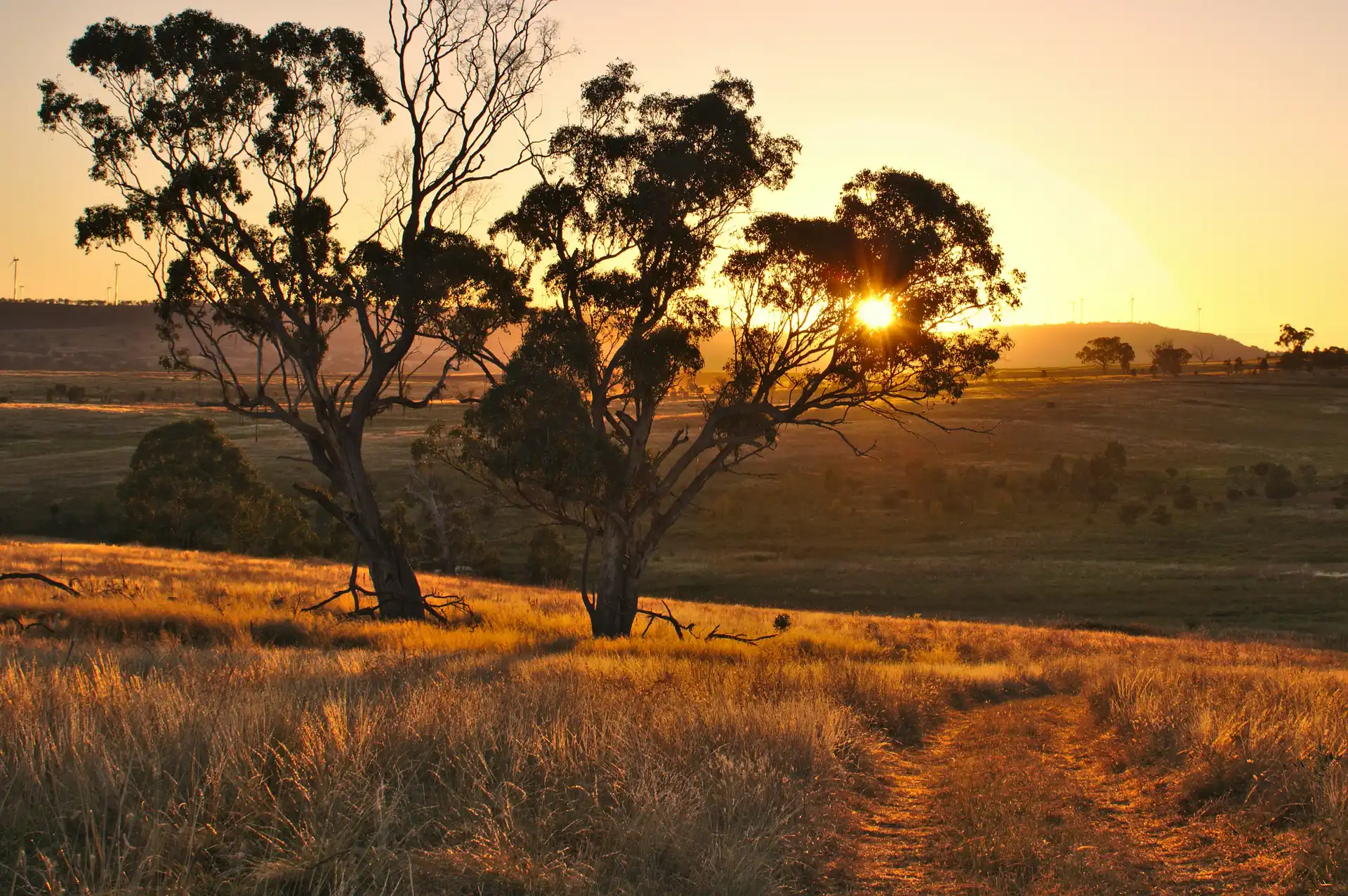
The Lower Hunter, the Maitland, Cessnock, and Lake Macquarie side of the valley near Newcastle, is not broadacre sheep country. It is a patchwork of small acreage, hobby blocks, rural-residential country, vineyards, and peri-urban fringe, and the fox problem here looks different because of it. The predator is the same European red fox that costs sheep country its lambs, but on Lower Hunter blocks the front line is poultry, hobby flocks, and small stock, not a broadacre lamb drop.
One point worth being clear about, because Hunter town headlines can muddy it: this page is about the introduced red fox, the ground-dwelling predator that raids chook runs. It has nothing to do with the grey-headed flying fox, the native fruit bat that shares part of the name and turns up in local news for its roosts. We control the introduced red fox as a pest. Native flying foxes are protected and are not something we touch.
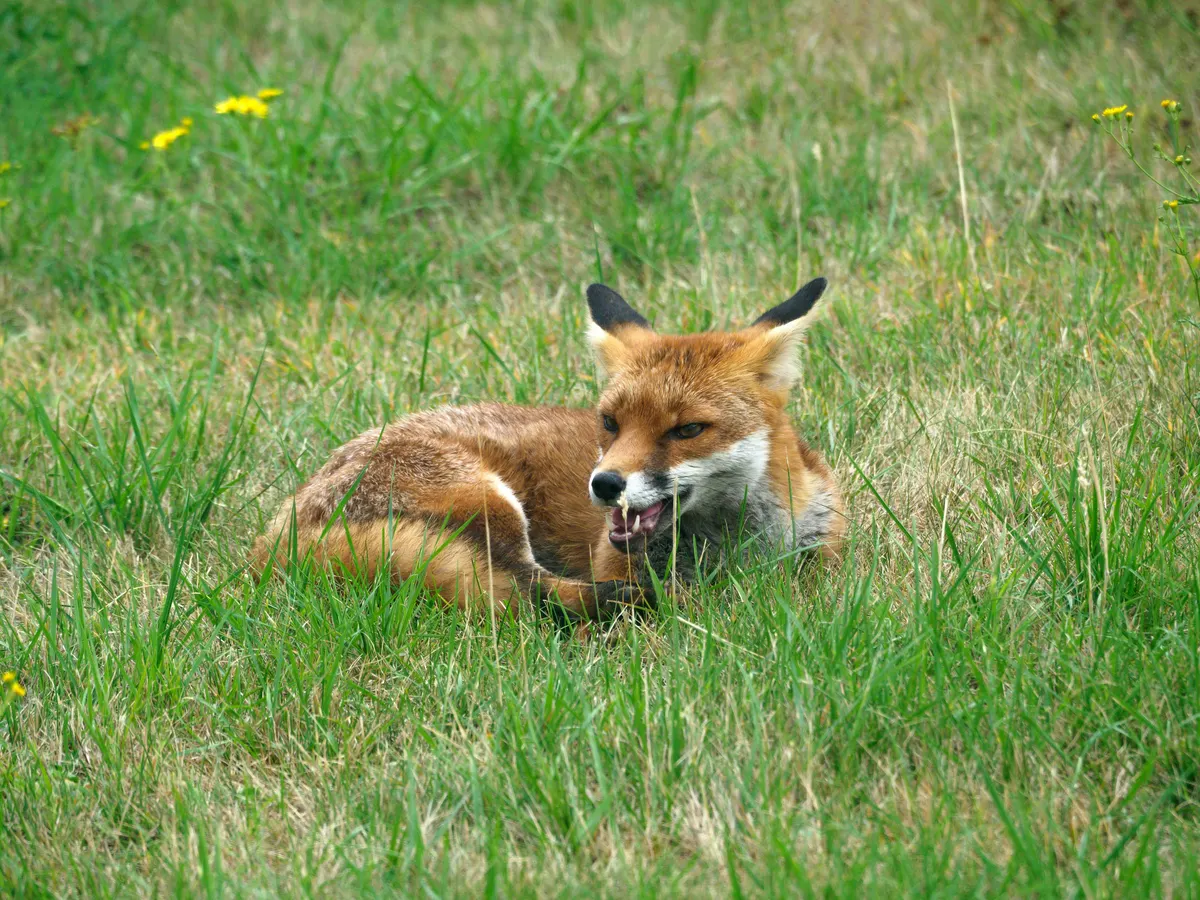
Foxes do well in fragmented, small-block country. The mix of cover, water, and easy food, from poultry and pet food to fallen fruit and rubbish, supports high fox numbers close to where people live. Foxes are highly mobile and territorial, so a single fox will work a run of neighbouring blocks, and when it is removed, another moves into the vacant ground within weeks. That is why control on a single block has limited lasting effect and why coordinating with neighbours matters even on small acreage.
Poultry and Small Stock: The Lower Hunter’s Fox Front Line
For most Lower Hunter blocks, the fox shows up at the chook run. A single fox can kill many birds in one raid, far more than it carries off, and free-range poultry, hobby flocks, and small stock like goats and farmed rabbits are all vulnerable. A fox that finds an easy meal comes back, and it will keep coming back until the run is secured and the fox itself is dealt with.
The practical answer on a small block is usually two things together: better exclusion, so the run is genuinely fox-proof, and targeted control of the fox that has learned the block. We assess how the fox is getting in and where it is travelling, confirm the pattern with trail cameras, and act on that rather than guessing. Exclusion fencing and run security stop the next fox; targeted control removes the one that is already a problem. Our rabbit control work often runs alongside fox control on these blocks, because rabbits are a primary fox food source and keeping rabbit numbers down helps keep foxes from settling in.
When You Are Not Always on the Block
A lot of good Lower Hunter country is owned by people who do not live on it: weekend blocks, hobby farms run around a job in town, small acreage held for the future. Foxes do not wait for you to visit, and by the time you get out to the block, the birds are gone and you have no record of how it happened.
This is exactly what our absentee-owner monitoring retainer is built for. We put trail cameras with AI species detection and periodic thermal drone surveys on your block and send you written reports, so you always know what foxes and other pests are doing on your country even when you are not there. It also builds a documented record that helps you meet your general biosecurity duty as a landholder. When a report flags a fox problem worth acting on, the monitoring data feeds straight into a control programme, so there is no starting from scratch.
How We Control Foxes Near Homes and Towns
Fox control in peri-urban and small-block country is not the same as open grazing country, and we plan for the difference. Every programme starts with a property assessment and monitoring to understand the block, the neighbours, and how the fox is using the country. From there we design integrated control tailored to the setting, with methods chosen for proximity to houses, careful attention to safety and noise, and coordination with neighbours where the same fox is working several blocks.
We do not rely on a single method, because foxes reinvade vacant ground quickly and no one tool holds them down on its own. On larger rural blocks toward the edge of the Lower Hunter, coordinated baiting through the Hunter Local Land Services programme can be part of the picture, joined up with your neighbours. If your block runs a few ewes, the same pre-lambing timing that matters in sheep country applies, and our fox control before lambing guide covers it. For the full method walkthrough, see our fox control service.
Working with Hunter Local Land Services
The Lower Hunter sits within the Hunter Local Land Services region, which covers Cessnock, Lake Macquarie, Maitland, Newcastle, Port Stephens, and beyond. Hunter Local Land Services runs coordinated fox and wild dog baiting and offers free pest animal baits to approved properties from 1 April to 30 June 2026. Coordinated, landscape-scale control beats isolated effort because foxes reinvade from neighbouring ground within weeks, so our work is designed to support and supplement those coordinated programmes rather than compete with them.
This page covers the peri-urban, poultry, and small-acreage side of the Lower Hunter fox problem. For the broadacre sheep-country picture in the west of the valley, see our Merriwa and Upper Hunter fox control page, and for the whole-region view across pigs, deer, and every pest of the valley, see our Hunter Valley feral animal control page.
Pricing
Fox control programmes start from $500 per visit, quoted to your block size, terrain, and how much monitoring and reporting you want built in. Small-acreage and peri-urban jobs are assessed for free before any work begins. Where a fox is moving between neighbouring blocks, a coordinated approach reduces the cost per owner and delivers better results. See our full fox control pricing for the breakdown.
Losing birds to a fox, or want eyes kept on a Lower Hunter block? Contact Feral Up for a free property assessment. We will find where the fox is coming from, deal with it properly, and give you the reports to prove it.