What each one means on your property
Firearms training and how an animal is taken
When we work at night, the aim is one clean shot followed by a confirmed result. AHCPMG304 trains and assesses the selection of a suitable calibre for each species and the correct shot placement for the animal in front of us.
For an adult feral pig, that means taking the animal side-on and placing the shot midway between the eye and the base of the ear. The bone at the front of the skull is thick and can be unreliable.
After every shot, we physically check the animal before moving on. We confirm there is no heartbeat, no breathing, no blink when the eye is touched and no response to a toe pinch. Any doubt means immediate follow-up. A wounded animal always comes before the next target.
Read more about our AHCPMG304 humane destruction certification.
Why we hold both firearms units
AHCPMG304 covers the humane destruction of pest animals. AMPGAM303 covers the humane harvesting of wild game, including larger animals such as deer, goats and feral pigs. It also covers the national code of practice for shooting kangaroos.
Both units use the same practical shooting assessment. Together, they cover the range of animals we are likely to encounter on a NSW property, from a fox moving along a fence line to a large fallow stag standing in timber.
You can read more about our AMPGAM303 wild game harvesting certification.
VPIT and baiting programmes
In NSW, a person acquiring or using 1080, PAPP, Pindone or RHDV baits must hold VPIT or AQF3 chemical accreditation, or work under the supervision of someone who does.
VPIT covers the legal obligations around these baits, their toxicity, safe transport and storage and the protection of non-target animals.
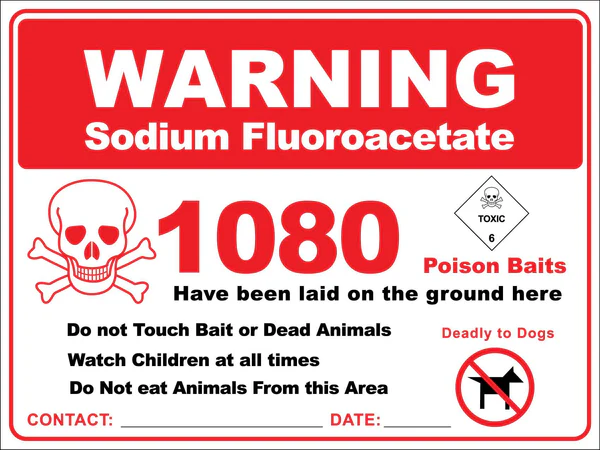
Plenty of landholders complete VPIT themselves, which is a good thing. We can add the planning and field work needed to run the whole programme. This includes pre-feeding, choosing the right bait and station for the species, notifying neighbours, placing warning signs and planning around working dogs.
We also keep GPS records for every bait station and collect all uneaten bait when the programme finishes. Learn more about our baiting programmes and 1080 and PAPP baits in NSW.
Public liability insurance
Every job we carry out is covered by $20 million public liability insurance. The certificate of currency can be requested at any time.
What we do not do
A clear scope matters when you are deciding who can work on your country and what method suits the job.
-
Aerial shooting: Our methods are ground based, using ground shooting, baiting programmes and trapping. Helicopter shooting suits large, coordinated programmes that are usually run through Local Land Services. If that is the right path, we will point you towards LLS.
-
Shooting from drones: Australian rules prohibit shooting from a drone or attaching a firearm to one. Our thermal drones are only used to locate and count animals.
-
Baiting deer: There are no registered toxins for deer in NSW. Deer control is therefore carried out by shooting.
-
Native animals without a permit: Kangaroos and other native animals require a separate NPWS permit held by the landholder. We can help you with the application, but we do not act without the permit. Protected native species, including native flying foxes, are never touched.
-
Work that cannot be done safely: We will not take a shot without a confirmed safe background. If houses, roads or people make shooting unsuitable, we will consider trapping or another available method. Where the work cannot be completed safely, we decline it.
-
Recreational access: We do not arrange recreational shooting access on anyone’s property.
-
Guaranteed outcomes: We do not promise complete removal of every animal. We also do not sell a guarantee that a landholder has met their compliance obligations.
Where our job stops and your duty continues
Under section 22 of the NSW Biosecurity Act 2015, every landholder has a general biosecurity duty. This includes preventing, eliminating or minimising pest animal risks on their land so far as is reasonably practicable.
Engaging us is one way to take action, but the duty remains with you as the landholder. We carry out the agreed work to a professional standard and provide a written record. Whether that work meets your obligations is a matter for you and the relevant authority.
Results can also be affected by pest pressure, terrain, weather and what is happening on neighbouring properties. Read more about your biosecurity duty and reasonable steps in NSW.
Working safely on your property
Before the first shot, we work through the property, the people on it and the places where shooting can and cannot occur.
-
Review the property map: We walk through your boundaries, tracks, houses, sheds, roads, water points and any off-limits areas with you.
-
Confirm where stock and people will be: We identify stocked paddocks, lambing areas and where people live or work. We also confirm when they are likely to be there.
-
Complete a written risk assessment: We identify safe shooting lanes with adequate backstops. We establish exclusion zones around dwellings, roads, livestock and infrastructure.
-
Notify adjoining landholders: Where work will take place near a boundary, adjoining landholders are notified.
-
Maintain contact during the job: We stay in real-time contact while working on your property. Our movements are GPS tracked.
-
Complete five checks before every shot: We confirm there is no person, livestock or building in the target area. We positively identify the target and confirm where the projectile will stop.
Night shooting on private land in NSW requires the landholder’s written permission, so the paperwork is completed before work begins. After the job, you receive a written after-action report.
Checking our credentials
You should check anyone you allow onto your property with a firearm. That includes us.
Ask to see copies of our NSW Firearms Licence and our AHCPMG304, AMPGAM303 and VPIT certificates. You can also request the certificate of currency for our $20 million public liability insurance.
Check that the names on the documents match and that applicable dates are current. The insurance documents must cover pest control and contract shooting work. A provider who hesitates to produce these documents is giving you useful information.
Our ABN is 40 689 904 167. You can check it through the Australian Business Register.
Our guide to choosing a pest controller in NSW explains what to look for. You can also book a property assessment and request copies of the documents at the same time.
How we keep this page current
We review this page every 12 months. We also review it whenever a credential is renewed, a certificate approaches renewal, the insurance renews or a NSW rule affecting firearms, baits or biosecurity changes.
AHCPMG304 requires re-accreditation every five years. VPIT remains valid for up to five years. We track the fixed dates for both.
If anything on this page appears out of date, email [email protected].