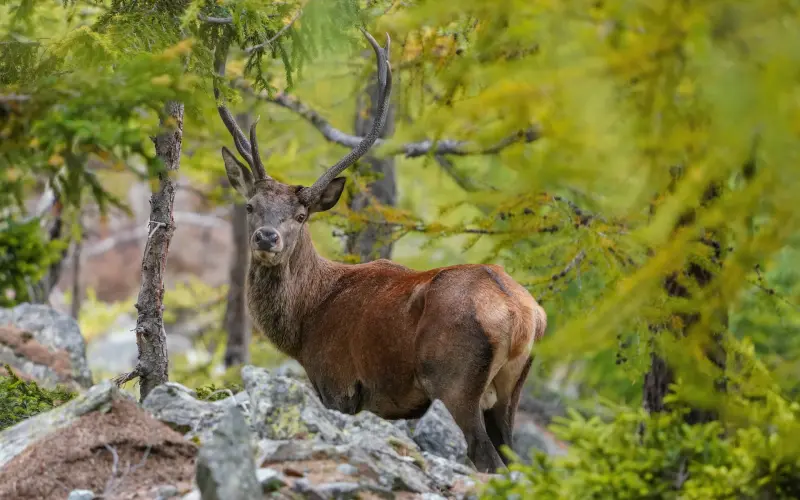
The Feral Deer Problem in NSW
Feral deer are Australia’s fastest-growing pest animal problem, and NSW is ground zero. Six species of feral deer are now established across the state (fallow, red, sambar, rusa, chital, and hog deer) and their populations are expanding at an alarming rate. The NSW Department of Primary Industries estimates feral deer numbers in the state have more than doubled in the past two decades, with some populations growing at 20 to 30% per year.
The worst-affected regions include the Hunter Valley, Northern Tablelands, North Coast hinterland, and parts of the Central West. What was once an occasional sighting has become a nightly mob grazing your improved pastures and raiding your fodder crops.
What damage do feral deer cause?
The agricultural and economic impact of feral deer in NSW is substantial and escalating:
- Crop and pasture destruction: Large mobs of fallow and chital deer can strip hectares of improved pasture, lucerne, cereal crops, and vegetable plantings in a single night. Chital deer in the Hunter Valley have been observed in mobs exceeding 100 animals, causing devastating crop losses for affected landholders.
- Fence destruction: Deer push through, jump over, and crawl under fencing, bending star pickets, snapping wires, and destroying netting. Repairing deer-damaged fencing costs $2,000 or more per fence section, and the damage is ongoing. Red deer stags are particularly destructive. A 200kg stag can demolish fencing that would contain most livestock.
- Vehicle collisions: Deer-vehicle collisions are increasing across regional NSW, particularly along roads adjacent to timbered country. A collision with a red deer stag can write off a vehicle and cause serious injury or death to occupants.
- Competition with livestock: Deer compete directly with cattle and sheep for pasture. PestSmart data shows that a single adult fallow deer pair (male and female) equals 2.0 dry sheep equivalents (DSEs), and chital deer consume 15 to 25% of a cow’s grass needs depending on season. A mob of 50 fallow deer consumes the equivalent feed of approximately 10 to 15 cattle, feed your livestock should be eating.
- Environmental damage: Deer cause significant damage to native vegetation through browsing, bark stripping, and antler rubbing. They degrade creek banks and riparian zones, spreading weeds and causing erosion.
Legal status
Under the NSW Biosecurity Act 2015, all six established feral deer species are classified as priority pest animals. This was a landmark change that removed the ambiguous “game animal” status that previously applied to some species. Landholders now have a clear general biosecurity duty to manage deer on their property, the same legal framework that applies to other declared pests like feral pigs, foxes, and rabbits.
Seasonal patterns
Feral deer behaviour in NSW varies by species. Fallow deer rut (breed) in April, with fawns born in December. Red deer rut in March to April, with calves born in November to December. Chital deer can breed year-round, making them particularly difficult to manage. During the rut, stags become more visible and less cautious, which can create shooting opportunities. After the rut, deer tend to retreat into heavier timber and are harder to locate without thermal surveillance.
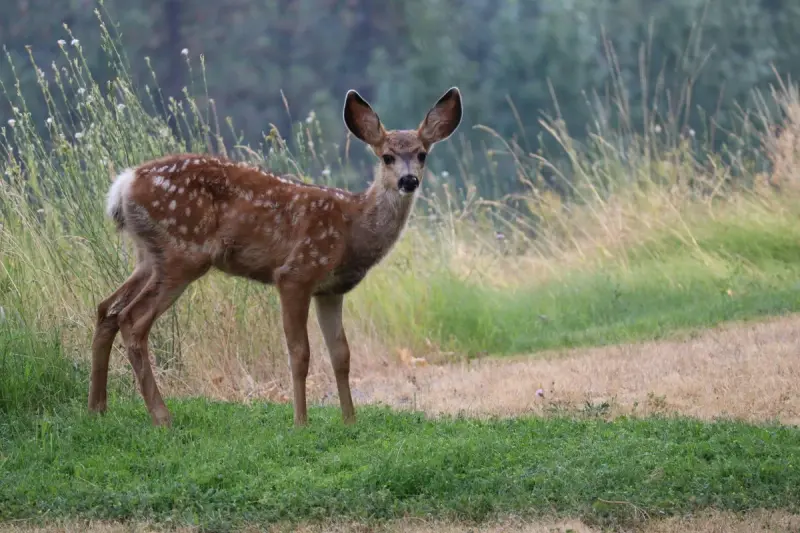
How We Control Feral Deer
Deer are fundamentally different from other pest animals. They can’t be effectively baited or trapped, which makes the control methods used for pigs, foxes, and rabbits largely inapplicable. Ground shooting is the primary and most effective method for deer control in Australia.
Ground Shooting
Professional ground shooting is the cornerstone of our deer control programmes. Our licensed operators use:
- Thermal imaging: Thermal scopes and monoculars detect deer body heat through vegetation, scrub, and in complete darkness. This is essential for locating deer in the timbered country and creek lines where they harbour during the day.
- Night operations: Deer are most active at dusk, during the night, and at dawn. Our operators work these hours to maximise encounter rates and minimise disturbance to farm operations.
- Species-appropriate firearms: National standard operating procedures (NATSOP DEER002) specify minimum calibre requirements by species. For large deer (sambar, red, rusa), we use .308 with 150 grain or heavier projectiles. For smaller species (fallow, chital, hog), a minimum of .243 with 100 grain projectiles. Shot placement follows established protocols: temporal head shots (midway between eye and ear base) are preferred for mature animals, with chest shots placed at the centre of minimum girth immediately behind the forelegs. Fawns and calves are targeted before mature animals to prevent orphaning. Every animal is confirmed dead by physical inspection before moving to the next. If lactating does are taken, dependent young are located and humanely destroyed.
- Stalking and ambush: In timbered and broken country, our operators work on foot using stalking techniques to approach deer within effective range. In more open country, vehicle-based operations cover more ground.
Ground shooting is most effective when preceded by surveillance to identify deer movement patterns, feeding areas, and harbourage points.
Thermal Drone Surveillance
For large, heavily timbered, or inaccessible properties, thermal drone surveys are a game-changer for deer management. Our drones detect body heat signatures through canopy and scrub, providing:
- Accurate population estimates: Know how many deer are on your property before committing to a control programme.
- Species identification: Thermal imagery combined with daylight follow-up can identify which species you’re dealing with.
- Movement mapping: Identify corridors deer use to move between harbourage areas and feeding paddocks.
- Mob location: Direct ground teams to exact locations rather than searching blindly across thousands of hectares.
Drone surveys save time and money by making ground shooting operations targeted and efficient.
Exclusion Fencing
While not always practical for large pastoral properties, exclusion fencing can protect high-value areas like orchards, vineyards, fodder crops, and vegetable plantings. Effective deer exclusion fencing needs to be 1.9 to 2.1 metres high (deer are excellent jumpers) and strongly constructed. We can advise on fencing options based on the deer species present and the area to be protected.
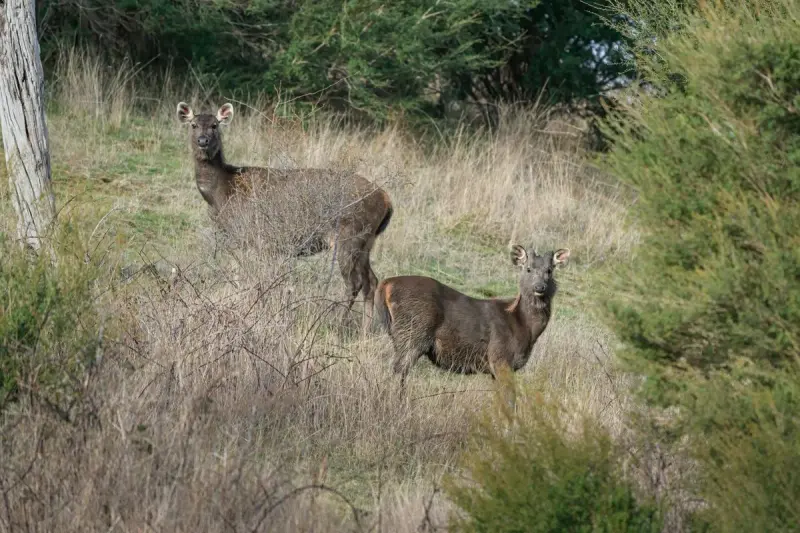
Our Integrated Pest Management Approach
Deer management requires a sustained, strategic approach. PestSmart research shows that you need to reduce the population by over one third each year (more than 35%) just to prevent it from growing. This is how much a deer population at low density can increase in good conditions. One-off shooting operations will remove some animals, but without ongoing pressure that exceeds this threshold, mobs reform and populations recover. Our IPM programmes follow a structured process:
-
Property Assessment: We inspect your property to map deer activity: tracks, droppings, feeding areas, fence damage, rubbing trees, and harbourage. We identify species present, estimate mob sizes, and map movement corridors. Trail cameras may be deployed to gather baseline data.
-
Program Design: Based on the assessment, we design a control programme tailored to your property. This typically combines thermal drone surveys to locate mobs with targeted ground shooting operations timed around peak deer activity periods.
-
Implementation: Our licensed operators conduct shooting operations on agreed dates, working around your farming calendar. Operations are typically conducted over multiple nights to cover the property systematically.
-
Monitoring: After initial operations, we monitor deer activity using trail cameras and follow-up inspections. This tells us whether deer numbers are rebounding, whether new mobs are moving in from neighbouring properties, and whether additional operations are needed.
-
Reporting: You receive a detailed report after each operation, including deer numbers removed by species, methods used, areas covered, and recommendations for ongoing management. These reports support your biosecurity records and demonstrate compliance with your general biosecurity duty under the Biosecurity Act.
Where We Operate
Our feral deer control services cover the key affected regions across NSW:
- Hunter Valley: fallow, red, and chital deer hotspot
- Northern Tablelands: fallow and red deer in grazing country
- North West NSW: expanding deer populations in pastoral country
- Central West NSW: fallow deer in mixed farming areas
- North Coast NSW: rusa and fallow deer in hinterland
We operate across properties of all sizes and work with neighbouring landholders to coordinate control efforts. Deer don’t respect fence lines, so multi-property programmes are significantly more effective than isolated operations.
Pricing
Feral deer control starts from $500 per visit for ground shooting operations. The cost depends on property size, terrain, deer density, and species. Controlling sambar deer in heavy mountain timber is a different proposition to fallow deer on open farmland. Thermal drone surveys are available as an add-on and are particularly cost-effective for large or timbered properties.
Multi-property programmes reduce per-property costs and improve results by preventing deer simply moving to the neighbour’s place. Contact us for a free property assessment and quote.
Stop Deer Damage on Your Property
Feral deer populations are growing every year, and the damage compounds with them. Whether you’re losing crops to nightly raids, spending thousands on fence repairs, or watching mobs of deer eat the feed your livestock need, it’s time to act.
Get a free property assessment today, call us or fill out our online form, and we’ll be in touch to discuss your deer problem and design a control programme that works for your property.