The Worst Timing on the Farm
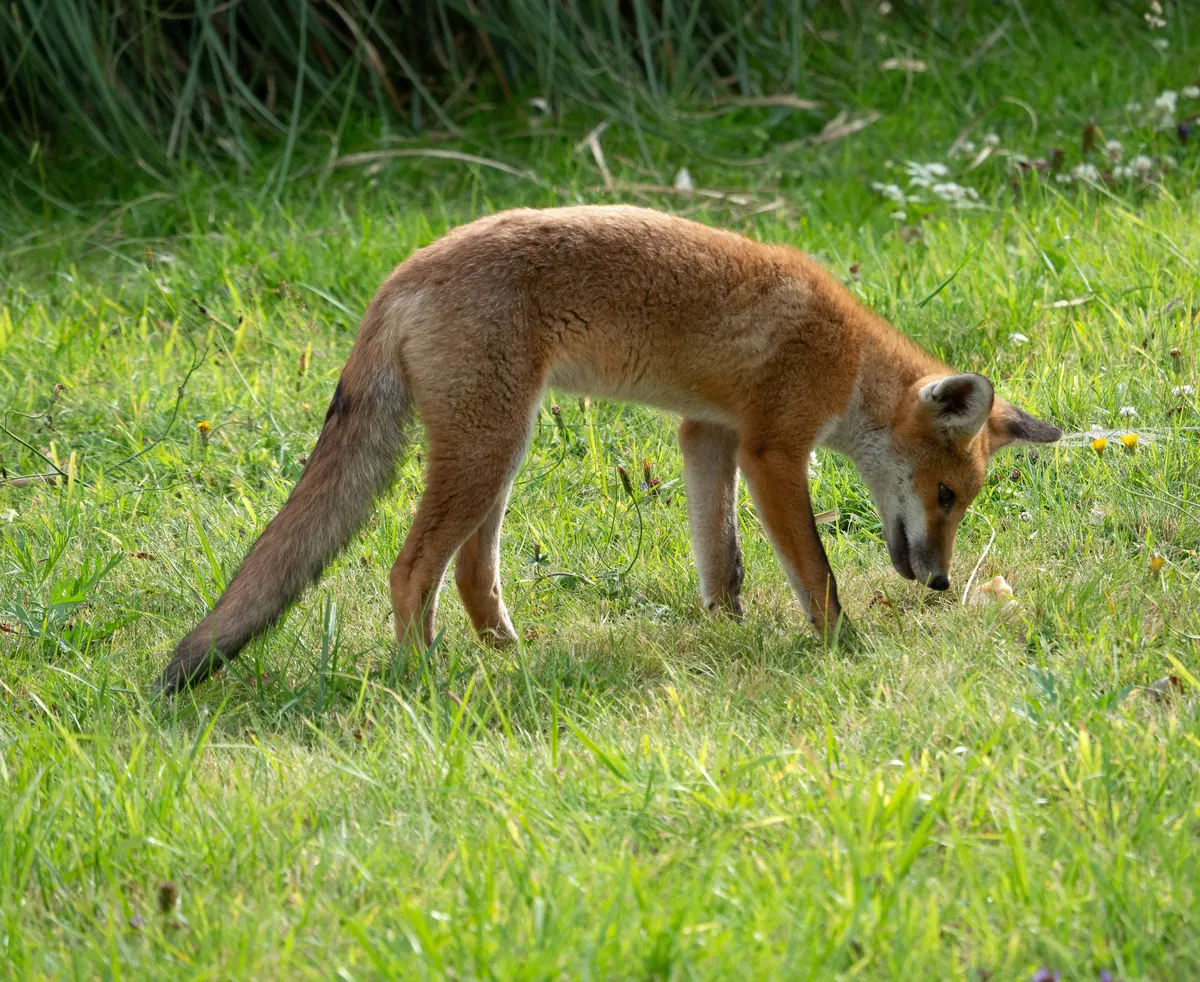
A spring lamb drop in the Upper Hunter runs headlong into the fox calendar. Foxes mate from mid-June to late July, and cubs are born in dens through August and September. From that point a fox family is concentrated around the den, and a vixen is under real pressure to feed a growing litter. Drop lambs from August to October and you are putting newborns on the ground at exactly the moment foxes are hungriest, most territorial, and most tied to a patch of country near where they are raising cubs.
That overlap is why the spring drop deserves its own plan. It is not that autumn and early lambers are safe, they carry high fox exposure too, but the spring drop coincides most directly with the cub-rearing peak, when a den full of hungry cubs turns a lambing paddock into a food source.
The Rule Does Not Change: Before, Not During
Fox control before lambing works. Fox control during lambing is damage limitation. By the time you find your first killed lamb, the foxes are already established, fed, and harder to shift. The goal is to drive fox numbers down in the weeks before lambs hit the ground, so the vulnerable window opens with as few foxes in the area as possible.
Two biological facts make pre-lambing timing effective. Through late autumn and winter, natural food is scarcer, so foxes range further and are more likely to take a bait. And dispersing juvenile foxes, which have never encountered a bait, are far easier to control than wary established adults. Removing them before they settle into your lambing country prevents this season’s losses and next season’s problem at the same time. Our fox control before lambing guide sets out the general timing across autumn and spring systems; what follows is the spring and Upper Hunter cut.
The Upper Hunter Picture
The western Upper Hunter around Merriwa is sheep country by heritage. The Merriwa district, in the words of the Upper Hunter Shire Council, “was originally known for its quality wool and fat lambs”, and the town still runs its Festival of the Fleeces every June long weekend. Across the whole shire the modern economy is led by coal, horse studs, and beef, so the sheep and wool strength is concentrated in that western pocket rather than everywhere, but where there are ewes lambing in spring, there is a fox problem worth planning for.
Hunter Local Land Services is the coordinating body for fox baiting in the Upper Hunter, and its coordinated 1080 programme names the Merriwa district among the country it targets each autumn. Free pest animal baits are available to approved properties from 1 April to 30 June 2026. That autumn baiting is not separate from your spring lamb drop, it sets it up, by knocking down dispersing juveniles before they establish in your lambing paddocks months later.
What the Numbers Say
The losses are real and mostly invisible. Research puts average fox predation at around 7 percent of the lamb drop, more typically 2 to 5 percent, and up to 30 percent in badly affected flocks near timber, creek lines, and rocky harbour. On 1,000 ewes marking 1,200 lambs, even a modest rate is dozens of lambs a year, quietly gone.
The evidence that control changes this is regional. In central west NSW, the pastoral country adjacent to the western Upper Hunter, landholders taking part in Central West Local Land Services group fox baiting have reported lamb marking rising by around 10 percent. A NSW DPI study of about 1,000 producers, roughly 1,400 flocks and 700,000 lambing ewes, found coordinated fox baiting twice a year lifted lamb marking by more than 20 percent, with the benefit greatest when the immediate neighbour also baited before lambing. Those are central west NSW figures, not Upper Hunter data, but the country and the coordination lesson carry straight across.
A Mid-Winter Plan for a Spring Drop
If you lamb in spring and it is already mid-winter, you have not missed the boat. Here is where the effort goes.
- Build on the autumn baiting. If you joined the Hunter Local Land Services coordinated programme, the groundwork is done. If you did not, coordinate with neighbours now so control is not just one paddock in isolation.
- Assess and monitor first. A property assessment and trail cameras find where foxes are denning, harbouring, and travelling, so control is aimed rather than guessed.
- Den work in season. Once cubs are present, an active natal den can be dealt with, removing a vixen and her whole litter in a single action.
- Targeted control near the lambing paddocks. Thermal ground shooting close to lambing removes bait-shy foxes and gives responsive control right where the lambs are.
- Monitor through the drop. Cameras and follow-up tell you whether the programme is holding, so you can act again if pressure climbs.
See the Difference in Your Marking
The point of all this is a number you can measure: your marking percentage. Every programme we run is built on monitoring and written reporting, so you are not guessing whether the fox work paid off. Trail cameras with AI detection and periodic thermal surveys show where foxes are before and after control, and a written report after each operation gives you a record to weigh against your marking, and to keep as biosecurity duty evidence.
Fox control only works when it is sustained and coordinated, because foxes reinvade vacant ground within weeks. That is why we design programmes around your neighbours and the Hunter Local Land Services effort rather than in isolation. For the full local picture, see our fox control for Merriwa and the Upper Hunter page, and to get a programme timed to your spring drop, get in touch well before the lambs are on the ground.
Sources consulted: NSW DPI fox predation estimates and PestSmart European red fox toolkit (average and localised lamb-loss figures); Sheep Central reporting NSW DPI (Paul Meek) on coordinated fox baiting and lamb marking in central west NSW; Central West Local Land Services group fox baiting; Hunter Local Land Services autumn baiting programme; Upper Hunter Shire Council and the Festival of the Fleeces on the Merriwa district’s wool and lamb heritage; NSW Government sheep calendar of operations.