Does NSW Have a Wild Dog Bounty?
No. NSW does not operate a statewide wild dog bounty programme.
This surprises many farmers, particularly those who know about Victoria’s bounty scheme, which pays $120 per wild dog scalp surrendered to an authorised collection point. Queensland has also run regional bounty programmes at various times.
NSW took a different path. Rather than paying per scalp, the NSW government funds coordinated control programmes through Local Land Services (LLS), focusing on sustained, multi-property operations that reduce wild dog populations across entire landscapes.
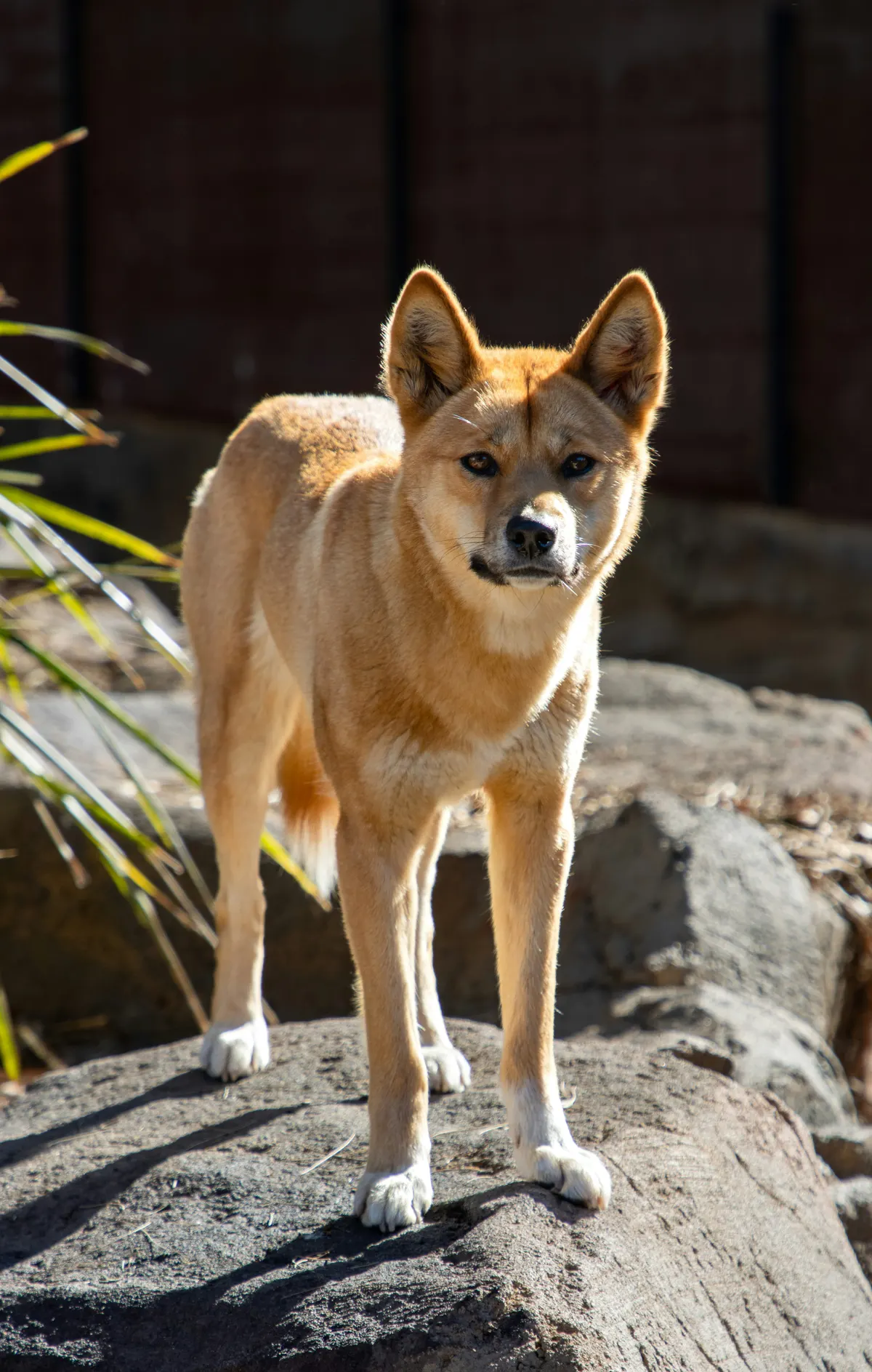
Why NSW Chose Coordinated Control Over Bounties
The decision wasn’t arbitrary. Research on bounty programmes consistently shows they have limited effectiveness at controlling pest populations:
- Bounties incentivise the wrong behaviour. Bounty hunters target easily accessible animals rather than the specific dogs causing livestock losses. Some evidence suggests bounty hunters avoid removing breeding females to maintain future income.
- No verification of location. A bounty scalp doesn’t prove the dog came from a problem area. Dogs may be taken from non-agricultural areas where they pose no livestock threat.
- No coordination. Individual bounty hunters operate independently, missing the coordinated pressure across multiple properties that is essential for effective wild dog control.
- Questionable cost-effectiveness. The Victorian government’s own reviews have questioned whether the bounty programme delivers better outcomes per dollar than coordinated baiting and trapping programmes.
NSW’s approach (coordinated control through LLS regional plans) targets specific problem areas, uses the most effective methods at landscape scale, and coordinates effort across property boundaries.
What Wild Dog Control Programs Are Available in NSW?
NSW landholders have access to several programmes and support mechanisms for wild dog control.
Local Land Services Wild Dog Management Plans
Each LLS region in NSW has a Wild Dog Management Plan that coordinates control across the landscape. These plans are developed in consultation with landholders and typically include:
- Coordinated 1080 baiting campaigns. LLS organises baiting programmes across multiple properties simultaneously, maximising effectiveness
- Trapping programmes. LLS-employed or contracted trappers target specific problem areas
- Wild dog exclusion fencing. Some regions provide funding contributions for cluster fencing
- Monitoring and reporting. FeralScan reporting and trail camera networks to track wild dog activity
Contact your local LLS office to find out what’s available in your area and how to participate in coordinated control programmes.
1080 Baiting Programs
Council and LLS-coordinated 1080 baiting programmes are the most cost-effective wild dog control method at landscape scale. These programmes typically run twice per year:
- Autumn baiting (March to May): targets dogs before winter breeding season
- Spring baiting (September to November): targets dogs during and after pupping season
Baiting is often free or heavily subsidised for landholders who participate in coordinated programmes. LLS provides the bait, authorised officers deploy it, and landholders provide property access and local knowledge.
Pest Animal Funding and Grants
NSW government funding for wild dog control is available through several channels:
- LLS rates. Your LLS rates contribute to regional pest animal control programmes
- Wild Dog Exclusion Fencing. The NSW Government has funded cluster fencing programmes in high-impact areas, particularly in the Northern Tablelands and North West
- Community pest control groups. Local wild dog management groups can access funding for coordinated control activities
Professional Pest Controllers
For targeted control operations on your property, professional pest controllers offer:
- Trapping. Soft-jaw traps set on known wild dog corridors, checked daily
- Ground shooting. Night operations using thermal optics in known activity areas
- Monitoring. Trail camera deployment and data analysis to understand wild dog movement patterns
- Integration. Coordinating your property’s control programme with neighbouring properties and LLS regional plans
How Much Damage Do Wild Dogs Cause in NSW?
Wild dogs are responsible for an estimated $89 million per year in agricultural losses nationally (ABARES), with NSW bearing a significant share due to the state’s large sheep and cattle populations.
Livestock Predation
Wild dogs are devastating predators of livestock. Their impacts include:
- Sheep. Wild dogs are the primary predator of sheep in NSW. A single dog can kill 20-30 sheep in one night, often killing far more than it can eat. Attacks peak during lambing when ewes and newborn lambs are most vulnerable.
- Cattle calves. Wild dogs attack young calves, typically targeting the hindquarters and flanks. While adult cattle can often defend themselves, calves separated from their mothers are at high risk.
- Goats. Goat herds, particularly in the Northern Tablelands and North West, suffer significant losses to wild dogs.
Economic Impact Beyond Direct Kills
The financial impact extends well beyond the value of killed livestock:
- Stress-related losses. Harassed livestock lose condition, reduce feed intake, and experience lower fertility. Stressed ewes abort lambs, and stressed cows fail to conceive.
- Reduced stocking rates. Many farmers in wild dog country deliberately run fewer livestock than their property could support, to reduce losses and stress.
- Fencing costs. Wild dog exclusion fencing costs $8,000-$12,000 per kilometre installed, representing a major capital investment.
- Labour costs. Mustering livestock into yards overnight, checking paddocks for kills, and repairing fencing adds significant labour costs.
Worst-Affected Regions
The Northern Tablelands and North West NSW are the worst-affected regions, where wild dogs descend from forested ranges onto grazing country. The Great Dividing Range provides continuous habitat corridors that wild dogs use to move between properties.
The Emotional Toll
Statistics don’t capture the emotional impact of wild dog attacks. Finding 30 dead sheep in a paddock, many still alive with catastrophic injuries, is devastating. The ongoing stress of knowing wild dogs are operating on your property (hearing them howl at night, finding kills every morning) takes a serious toll on farming families’ mental health.
What Are the Most Effective Wild Dog Control Methods?
Effective wild dog control requires sustained, coordinated effort using multiple methods. One-off operations provide temporary relief but populations recover quickly.
1080 Baiting
1080 (sodium fluoroacetate) baiting is the most cost-effective method for wild dog control at landscape scale.
How it works: Manufactured meat baits containing 1080 are deployed along wild dog travel corridors: ridgelines, fence lines, creek crossings, and vehicle tracks. Baits are buried or covered to reduce non-target uptake.
Why it works: 1080 occurs naturally in some Australian native plants, and many native species have evolved tolerance to it. Wild dogs and foxes are highly susceptible, making 1080 relatively target-specific in the Australian context.
Requirements: All 1080 baiting must be conducted by VPIT-certified operators. Bait deployment follows strict protocols regarding distance from dwellings, waterways, and public access points.
PAPP Baiting
PAPP (para-aminopropiophenone) is a newer toxin approved for wild dog and fox control in Australia. It works differently to 1080. It converts haemoglobin to methaemoglobin, reducing oxygen-carrying capacity. An antidote (methylene blue) is available, making it a safer option in areas with domestic dog risk.
Trapping
Soft-jaw trapping by skilled operators is highly effective for targeting specific problem dogs that have survived baiting campaigns.
Key points:
- Traps must be set by experienced operators. Poor trap placement wastes time and may injure non-target animals
- Traps must be checked at least daily under NSW animal welfare requirements
- Leg-hold traps (soft-jaw) are the most commonly used type
- Trap placement along travel corridors, at creek crossings, and on ridgelines
- Lures and attractants improve capture rates
Ground Shooting
Ground shooting is an adjunct method, useful for removing individual problem dogs but not effective for broad population control. Night operations using thermal optics can target dogs on known corridors, particularly around livestock paddocks.
Exclusion Fencing
Wild dog exclusion fencing (cluster fencing) protects livestock within a fenced area. While expensive ($8,000-$12,000 per kilometre), it provides reliable protection when maintained.
Cluster fencing (where a group of neighbouring properties fence their combined boundary) is more cost-effective than individual property fencing and has been supported by NSW government funding in high-impact areas.
Maintenance is critical: Exclusion fencing only works if breaches are repaired immediately. Wombat damage, flood debris, fallen trees, and gate failures can compromise a fence overnight.
Guardian Animals
Some producers use guardian animals to protect livestock:
- Maremma dogs. Effective for protecting sheep flocks in smaller paddocks. Require bonding to livestock from puppyhood and ongoing management.
- Alpacas. Sometimes used as sheep flock guardians. Effectiveness is variable and they cannot protect against multiple dogs.
- Donkeys. Aggressive towards canines and can be effective in some situations.
Limitations: Guardian animals are a supplementary measure, not a substitute for population control. They protect the animals they’re bonded with but do nothing to reduce wild dog numbers.
Can I Get Help with Wild Dog Control on My Property?
If you’re dealing with wild dogs, you’re not alone, and there are multiple support channels available.
Contact Your Local LLS Office
Your first step should be your Local Land Services office. LLS coordinates regional wild dog management and can:
- Add your property to coordinated baiting programmes
- Connect you with neighbouring landholders for coordinated control
- Provide advice on the most effective control methods for your situation
- Put you in touch with professional pest controllers in your area
Join Your Local Wild Dog Management Group
Most wild dog-affected regions have local management groups that coordinate control across multiple properties. These groups:
- Share costs and coordinate timing of control operations
- Pool resources for exclusion fencing
- Share monitoring data (trail cameras, sighting reports)
- Advocate for government funding and support
Engage a Professional Pest Controller
For targeted control on your property (particularly trapping and shooting operations), a professional pest controller can deliver results. Look for operators who:
- Hold a current VPAC licence
- Have demonstrated experience with wild dog trapping
- Will coordinate with your LLS regional plan
- Provide reporting on control outcomes
Report Sightings
Report wild dog sightings, kills, and tracks through FeralScan (feralscan.org.au) or directly to your LLS office. Consistent reporting builds the data needed to target control programmes effectively and justify continued funding.
Need help with wild dogs? Get a free phone consultation, and we’ll discuss your situation and recommend the most effective control approach, including coordination with your local LLS wild dog programme. Or call us directly on 0493 417 929.